Why a Myrtle Beach array loses more to grime than an inland one
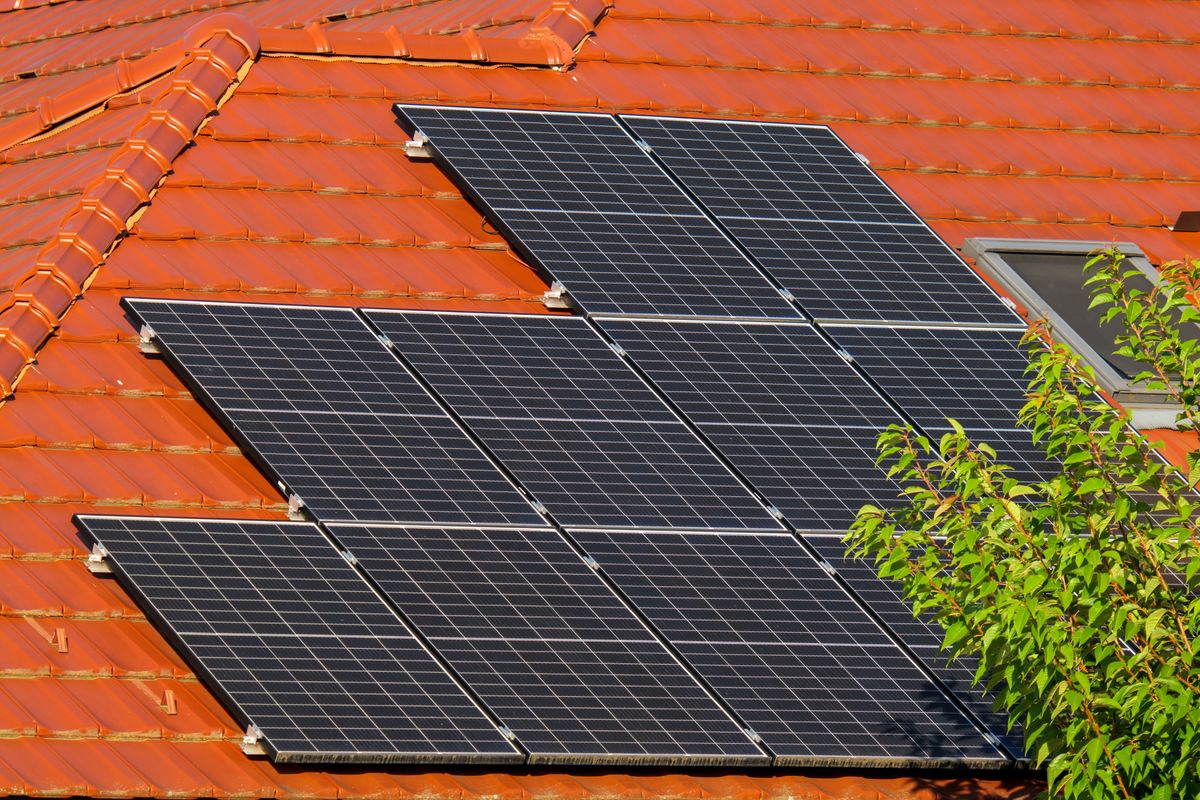
A solar array on the Grand Strand works harder than the same system twenty miles inland, not because it sees more sun but because it collects more of what sits between that sun and the glass. The deposit load here is a coastal blend you will not find on a roof in the Carolina upstate. Salt arrives off the Atlantic on the onshore breeze and settles as a fine, even haze that dulls the glass and scatters light before it ever reaches the cell. Spring brings a pine pollen drop that coats every elevated surface in yellow. The warm months layer on sea mist, light fog off the water, and the airborne dust from beach traffic and construction along the Boulevard. And because the Grand Strand stays humid, that film holds moisture against the glass instead of blowing off, which means a dirty panel here loses output faster than the same film would cost you in a drier climate.
Each of those deposits reflects or scatters a different part of the light. Salt and dust scatter the short wavelengths. A thick pollen coat blocks the whole spectrum until it is washed away by a hard rain, which on this coast is exactly when the salt and spotting arrive to take its place. The practical result is that an unwashed coastal array can quietly run several percent behind its clean rating through the summer, and the lost generation is gone - you never get a missed sunny day back.
The rooftop array and the beachfront low-tilt are two different cleaning jobs
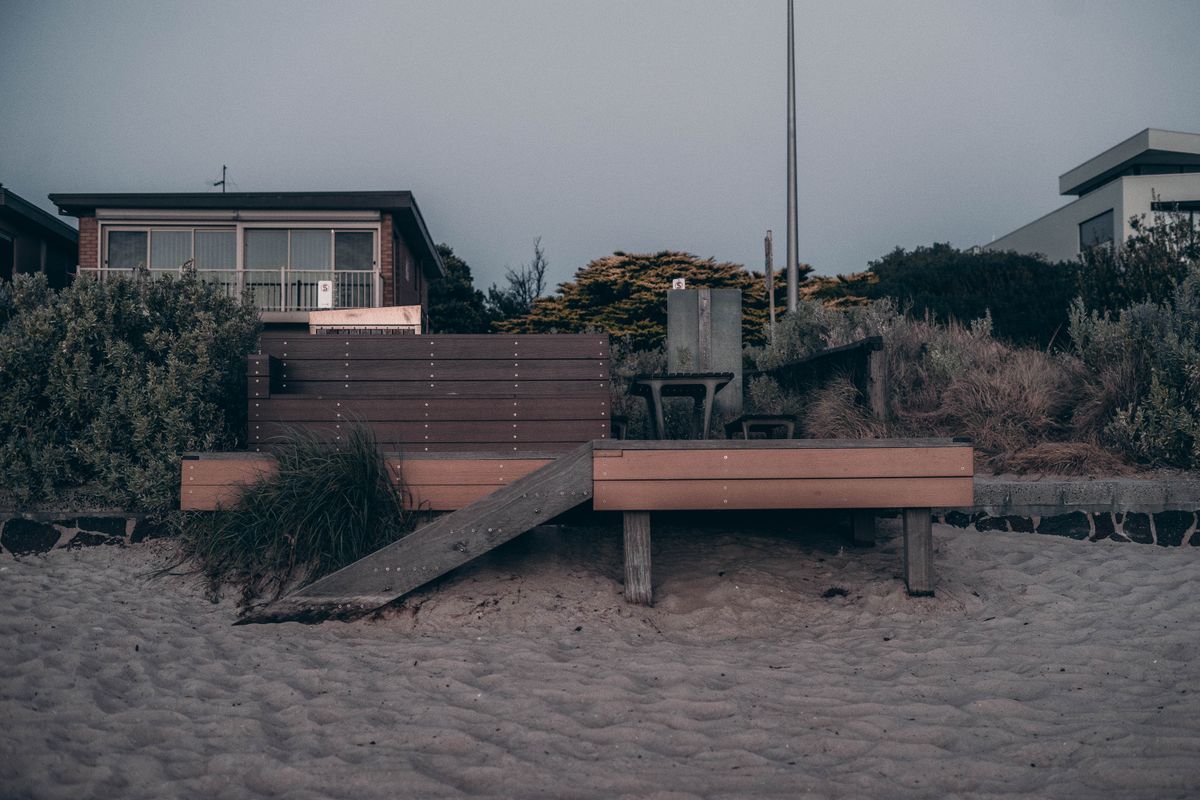
Most of the solar in the Myrtle Beach city limits and the surrounding Horry County communities sits on pitched rooftops, and those panels shed rain and rinse reasonably well between cleanings because gravity helps. The harder case is the low-tilt and flat-mounted systems that are increasingly common on beach houses and commercial roofs closer to the water, where panels sit nearly level to the horizon. A low-tilt panel has almost no self-cleaning. Rain sits on it rather than running off, the salt film dries back onto the glass, and pollen that would slide off a pitched roof lingers as a paste that bakes on in the summer heat. On an oceanfront property the salt load is heavier and the tilt is often lower, which is the worst possible combination - it is why the same array in Carolina Forest can stay ahead of the film on a rooftop while a low-tilt beachfront unit needs attention sooner.
How we clean glass we are not allowed to scratch
The rule that governs every panel we touch is that the glass and the seal around it are the fragile parts, and the warranty on a modern module is written to punish the wrong method. High pressure is off the table: a wand that is fine on a concrete driveway will force water under the edge of the panel, past the frame seal and down toward the junction box and the wiring, and it can damage the thin coating on the glass. Abrasive pads are off the table for the same reason the manufacturers forbid them - they micro-scratch the surface and dim it permanently. We clean with purified water and soft brushes at low pressure, letting the water lift the film rather than forcing it, and we work the edges and the corners by hand so nothing dries back on. Where a hard water supply would leave spotting, the deionized water we finish with evaporates clean, which matters here because the municipal and well supplies across Horry County carry enough mineral content to leave a calcium haze if they are left to dry on the glass.
What the bird droppings and the ocean spray actually cost you
Two coastal deposits deserve their own mention because they are concentrated rather than even. Bird droppings and gull activity near the beach hit a single cell or a small patch of cells with a dense, opaque deposit that blocks that region of the panel entirely. Because the cells in a string are wired in series, a fully shaded or fully blocked cell drags down the current of the whole string - a few isolated droppings near the oceanfront can cost you more real output than a uniform haze across the entire array. Ocean spray does the opposite: it is even, it is everywhere, and it is corrosive. Left to sit through repeated wet-dry cycles near the water, salt works at the aluminum frame, the racking hardware and the edges of the glass, which is why an oceanfront system wants a rinse cadence an inland system does not need. Neither of these is something a homeowner's hose and a long-handled brush can safely fix at the heights most arrays sit, and both are the reason the coastal cleaning schedule is shorter than the industry default.
Production charts catch dirt that the eye cannot
You do not need to climb on the roof to know when a Grand Strand array is underperforming. Most systems here are monitored, either through the inverter's app or the utility's production meter, and the honest way to read dirt is in the data rather than in the glare off the glass. A clean array produces a predictable curve; when week-over-week generation drifts below the same sunny week a season ago, or when the morning and evening edges of the curve flatten out oddly while midday looks fine, deposits are a strong suspect. Salt and a light haze show up first at low sun angles, when the light passes through more film on its way to the cell, which is why a coastal system can look fine at noon and fall short at the edges of the day. We will happily look at a production readout with you before we quote, because it tells us whether the answer is a cleaning or something that needs an installer - and it lets you measure the result after we leave by watching the curve climb back toward its clean baseline.
What a wash will not bring back, said before the invoice
Not every drop in output is dirt, and on the coast the non-dirt causes are common enough that we name them up front. Snail trails, the thin brown branching lines that creep across a cell, are not a stain - they are micro-cracks in the silicon letting moisture in, and no cleaning touches them. Hail and flying debris can crack a cell invisibly under the glass, and that is a warranty claim to an installer, not a job for a wash crew. PID, or potential-induced degradation, shows up as a general softening of output that no amount of clean glass fixes. And a panel that has simply aged past its useful life will underproduce no matter how clean it is. What a cleaning genuinely restores is the output a healthy, working array loses to a coating on the glass. If your production is down and the panels are visibly filmed, cleaning is the cheapest, safest first move. If the panels are clean and still short, the answer is elsewhere, and we will tell you that rather than take the money for a wash that cannot help.
Seasonal timing on the Grand Strand: pollen rules the spring, storms the fall
The best time to clean a Myrtle Beach array is driven less by the calendar than by the two events that coat it: the spring pollen drop and the late-season storm weather. Washing before the pine pollen finishes dropping is paying to clean a surface that is about to be coated again within days - the longleaf and loblolly pines that ring Carolina Forest, Socastee and the inland Conway lots drop their load through the spring, and it settles heaviest on anything flat or low-tilt. The windows that actually work are once the spring drop has finished, which buys a clean surface through the highest-production months of the year, and again going into the fall before the hurricane-season rains and sea fog start working on the glass. For an oceanfront system the salt cadence is the extra factor - those properties genuinely want a rinse more often than an inland roof, and two cleanings a year is the honest coastal rhythm rather than an upsell.
Roof access, the workmanship detail, and what to ask a crew
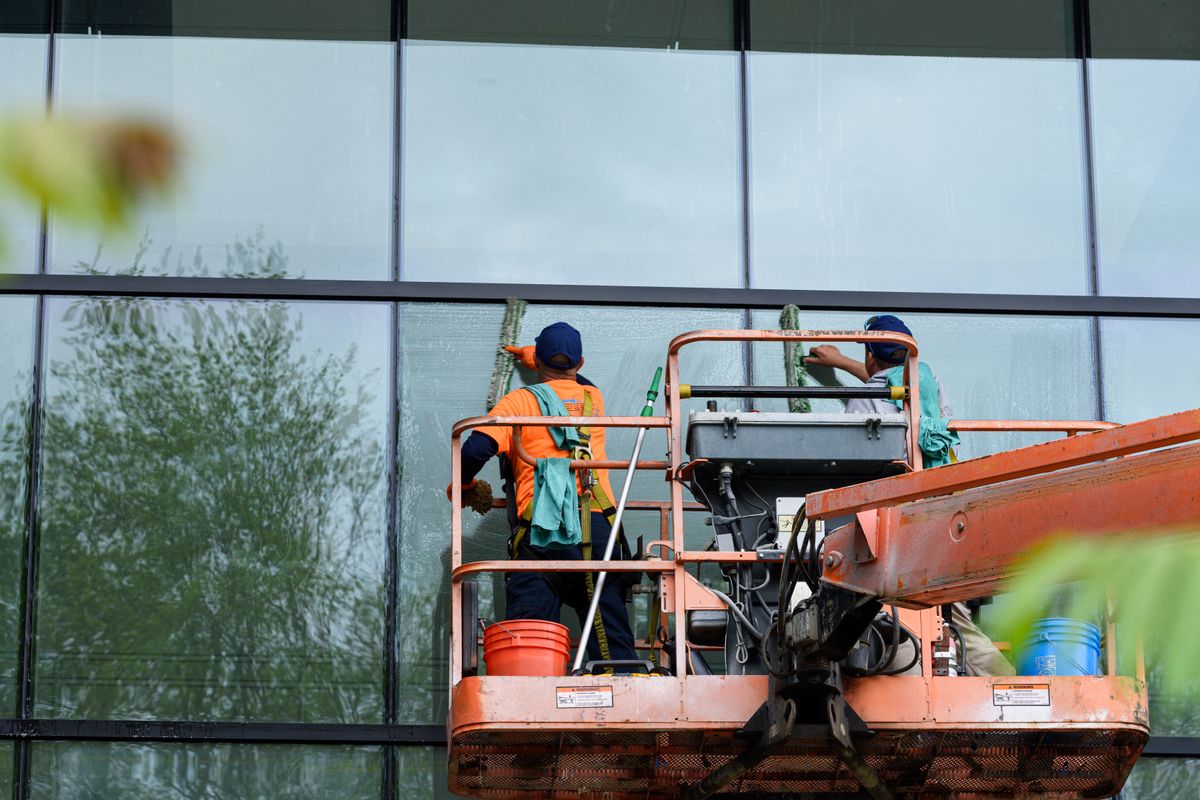
Height and roof type decide how a cleaning is done safely, and on a Grand Strand beach house that often means the array is on a second-story or raised roofline a few feet back from the water. We work from the ground or the eave with reach equipment where the pitch allows, and we match the method to a metal seam roof or a shingle roof the same way - never walking the panels, never leaning weight on the glass, and never letting a high-pressure wand anywhere near the system. Two questions worth asking any crew before you book: what exactly goes on the glass and how long it sits, and whether they protect the trim, the gutters and the plantings below from the rinse. The answer to the first tells you whether they are cleaning or blasting, and the answer to the second tells you whether they have done a roof before. If your system needs attention and the rest of the exterior is due as well, the efficient play is to pair the panels with roof cleaning in Myrtle Beach or a full house wash in the same visit - the truck is already on the lot, and clean glass set against a clean roof is what a coastal home is supposed to look like.